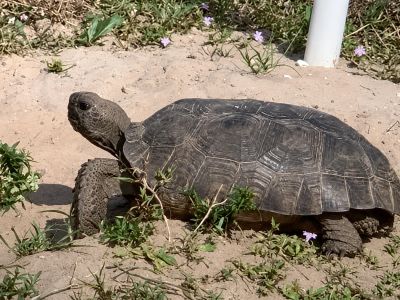
GOPHER TORTOISES
🐢 Cape Coral's Keystone Species
Gopher tortoises are among Florida’s most important native wildlife species, earning the title of keystone species because hundreds of other animals depend on the habitats they create.
These ancient reptiles have lived in Florida for thousands of years, perfectly adapted to the state’s warm climate, sandy soils, and native plant communities. Here in Cape Coral, they remain an important part of the natural landscape, quietly sharing their habitat with
people and countless other species.
What makes the gopher tortoise especially remarkable is the influence one animal can have on an entire ecosystem. Through its everyday activities, particularly the creation of underground burrows, a single tortoise can
help provide conditions that allow many other native animals to survive.
From the sandy ground beneath our feet to the native plants growing
above it, the life of a gopher tortoise is closely connected to the
health of the surrounding habitat.
Understanding these remarkable animals helps us understand why protecting Florida’s remaining natural areas matters so much.
☀️ A Day in the Life

🌞 Morning Stretch
🌞 Morning Stretch
🌞 Morning Stretch
As the sun warms the sandy ground, a gopher tortoise may emerge from its burrow to begin the day. After spending hours underground, it often pauses near the entrance before slowly heading out into its surrounding habitat.

🥗 Snack Time
🌞 Morning Stretch
🌞 Morning Stretch
Much of a gopher tortoise’s active day is spent grazing as it moves through its home range. Feeding naturally takes it across the landscape, giving it the energy it needs for its daily activities.
👀 Keeping Watch
🌞 Morning Stretch
👀 Keeping Watch
While above ground, a gopher tortoise regularly pauses to take in its surroundings. After a quiet moment, it may continue on its way, return to feeding, or eventually head back toward the safety of its burrow.
🐢 Remarkable Adaptations

🏗️ Nature’s Excavator
Gopher tortoises have powerful, shovel-shaped front legs covered in thick scales. These specialized limbs allow them to dig efficiently through Florida’s sandy soils and construct the burrows they depend on for shelter.
🛡️ Built-In Armor
A high-domed, sturdy shell provides protection from predators and other dangers. When threatened, a gopher tortoise can pull its head and limbs close to its body, using its shell as a natural shield.
🌿 Built for Grazing
Instead of teeth, gopher tortoises have a strong, beak-like mouth designed for clipping grasses, wildflowers, cactus pads, and other vegetation.
☀️ Made for Florida’s Climate
As reptiles, gopher tortoises rely on their surroundings to regulate body temperature. They bask when they need warmth and retreat to shelter when surface conditions become too hot, cold, or harsh.
❤️ Why Gopher Tortoises Matter
About Cape Coral Wildlife Trust
At first glance, a gopher tortoise may seem like just another reptile quietly moving through Florida’s landscape. In reality, it is one of the most important animals in our native ecosystems.
As a keystone species, the gopher tortoise supports an incredible diversity of wildlife. Its burrows provide shelter for more than 350 species, including mammals, birds, reptiles, amphibians, and insects. These underground refuges offer protection from predators, extreme temperatures, severe weather, and even wildfires.
When we protect gopher tortoises, we're doing far more than saving a single species. Every protected burrow helps preserve the web of life that makes Cape Coral unique, giving native wildlife places to shelter, survive, and thrive.

📍 Where You Might Spot a Gopher Tortoise
Keep Your Eyes Open!
One of the best things about living in Cape Coral is that you don't have to visit a remote wilderness area to see a gopher tortoise. These native reptiles can live surprisingly close to people, wherever suitable sandy habitat and native vegetation remain.
You may spot a gopher tortoise in:
🌿 Vacant lots with native vegetation
🏡 Residential neighborhoods near natural habitat
🌳 Parks and nature preserves
⛳ Golf courses with undisturbed natural areas
🚶 Walking and biking trails
🏫 School campuses and utility easements
☀️ Open sandy areas, especially during cooler morning and late afternoon hours
Perfect Habitat
Gopher tortoises thrive in dry, sunny landscapes with well-drained sandy soils that make digging easier. Native plants, open spaces, and low-growing vegetation provide the food and habitat they need to survive.
What to Look For
One of the easiest signs of a nearby gopher tortoise is its distinctive half-moon-shaped burrow entrance, often surrounded by a mound of freshly excavated sand.
You may also spot a tortoise basking or grazing nearby, especially during cooler parts of the day.
Why It Matters
Cape Coral's remaining natural areas provide important habitat for gopher tortoises. Preserving open, sandy landscapes and native vegetation gives them the space they need to feed, dig burrows, and continue living alongside our growing community.

🌿 Hunting & Finding Food

Gopher tortoises are herbivores that spend much of their active time slowly grazing as they move through their habitat. Their diet consists primarily of native plants that grow naturally in Florida’s sandy landscapes.
🌼 Favorite Foods
🌱 Native Grasses
🌸 Wildflowers
🌵 Prickly Pear Cactus
🍓 Wild Berries
🌿 Broadleaf Plants
🌱 Tender New Shoots
These plants provide the nutrients and moisture gopher tortoises need while allowing them to find much of their food naturally within their home range.
🌱 Nature’s Landscape Managers
As gopher tortoises graze and travel through their habitat, they can help disperse seeds and influence the vegetation growing around them. Their feeding is one small part of the natural processes continually shaping Florida’s native landscapes.
😊 Personality & Behavior
😊 Gentle Neighbors with Ancient Wisdom
Despite their rugged appearance, gopher tortoises are among Florida’s quieter wildlife residents. They generally prefer to peacefully go about their day rather than seek conflict.
Gopher tortoises are also remarkably observant. When something unfamiliar enters their surroundings, they may pause for a moment before deciding whether to continue on their way or retreat to safety.
👀 Did You Notice?
If you’ve ever seen a gopher tortoise pause and look in your direction, you may have wondered what it was thinking.
That quiet pause is part of being a cautious wild animal. Gopher tortoises pay attention to what is happening around them and respond when something seems unfamiliar or potentially threatening.
Sometimes the best part of encountering one is simply standing back and watching it make its own decisions.
❤️ Cape Coral’s Quiet Neighbor
For many Cape Coral residents, spotting a neighborhood gopher tortoise is one of the simple joys of living alongside Florida wildlife. These remarkable reptiles can turn an ordinary walk, bike ride, or glance across a vacant lot into an unexpected wildlife encounter.
Their presence is also a reminder that Cape Coral is more than a community for people. It is part of a living landscape shared with native wildlife that has called Florida home for countless generations.
These peaceful reptiles ask for very little: healthy habitat, plenty of space, and the opportunity to live naturally without unnecessary disturbance.0
The gopher tortoise has been moving through Florida’s landscape for a very long time. Giving these quiet neighbors the space they need helps ensure they remain part of Cape Coral’s story for generations to come.
🐢 A Lifetime Of A Gopher Tortoise
💕 Spring
Mating Season Begins
As temperatures warm, adult gopher tortoises become more active. Males travel in search of females, beginning another generation of one of Florida’s remarkable native reptiles.
🥚 Late Spring to Early Summer
Eggs Are Laid
Females dig a shallow nest in sunny, sandy soil, often near the entrance of their burrow, where they typically lay 5 to 9 eggs. The warmth of the surrounding soil naturally incubates the developing hatchlings.
🐣 About 80 to 100 Days Later
Hatchlings Emerge
Tiny hatchlings break free from their eggs and make their way to the surface on their own.
From their very first days, these young tortoises face a challenging world. With no parental care, they must begin finding food, seeking shelter, and avoiding predators independently.
🌱 Juvenile Years
Growing Slowly
Young gopher tortoises spend years growing and developing. During this vulnerable stage of life, they gradually become larger and better equipped to survive the challenges of their environment.
Their journey to adulthood is a slow one, making the survival of each young tortoise especially important.
🐢 10 to 20 Years
Mature Adults
After years of gradual growth, gopher tortoises eventually reach reproductive maturity and can begin producing the next generation.
Unlike many smaller animals that mature quickly, a gopher tortoise’s journey from hatchling to reproducing adult can take many years.
🏡 40 to 60+ Years
A Lifetime of Engineering
Throughout their long lives, gopher tortoises continue digging, maintaining, and using burrows throughout their home range.
A tortoise that reaches adulthood represents decades of survival and may continue shaping the landscape around it throughout its lifetime.
💚 Why It Matters
Gopher tortoises follow a remarkably slow life cycle. They take years to mature, reproduce relatively slowly, and depend on suitable habitat throughout every stage of their lives.
That means the loss of an adult tortoise cannot simply be replaced in a season or two. Protecting tortoises of every age helps give future generations the opportunity to complete this long life cycle.
From a tiny hatchling emerging from the sand to an adult that may live for decades, every stage is part of a much larger story of survival.
❤️ How You Can Help
Every Action Makes a Difference
Protecting gopher tortoises doesn’t require special training. Small actions by caring residents can make a meaningful difference for the tortoises that share our Cape Coral community.
🏡 Respect Their Home
Never disturb, block, fill, or alter a gopher tortoise burrow. Give the burrow plenty of space and allow the tortoise to come and go naturally.
🐕 Give Wildlife Space
Observe gopher tortoises from a respectful distance and keep pets away from tortoises and active burrows. Never attempt to handle or relocate one on your own.
🚗 Slow Down
Watch carefully for gopher tortoises crossing roads, especially near natural areas and protected properties. Give them plenty of time and space to cross safely.
🌿 Plant Native
Choose Florida native plants whenever possible. Native landscaping provides natural food and helps create healthier habitat for gopher tortoises and other local wildlife.
📚 Share What You’ve Learned
Share what you’ve learned about gopher tortoises with family, friends, neighbors, and children. Helping others understand and respect these animals is an important part of protecting them.
🤝 Support Cape Coral Wildlife Trust
Cape Coral Wildlife Trust works to acquire and protect natural habitat throughout our community.
Whether you volunteer, become a member, make a donation, or simply help spread awareness, your support helps protect the natural places Cape Coral’s wildlife depends on.
🌎 Together, We Can Protect Cape Coral’s Wildlife
Every person who chooses to care can make a difference. By working together, we can help ensure that gopher tortoises remain part of Cape Coral’s natural landscape for generations to come.
Thank you for helping protect one of Florida’s most remarkable native species. 💚